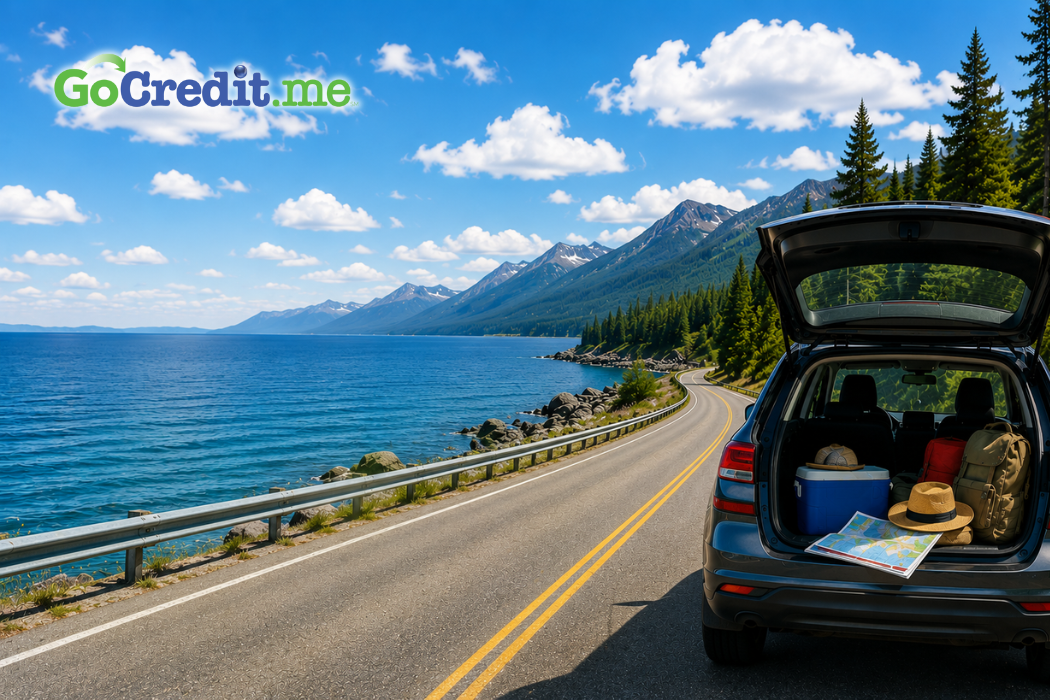
At GoCredit.me, we believe that great adventures shouldn’t come at the expense of your financial well-being. Whether you’re working to build your credit, manage your budget, or reach your financial goals, finding affordable ways to travel can help you enjoy life’s experiences without taking on unnecessary debt.
With a little planning, you can enjoy an unforgettable summer adventure without breaking the bank. Here’s how to plan a budget-friendly road trip that keeps both your wallet and your travel dreams on track.
1. Set a Realistic Budget Before You Go
Before choosing your destination, decide how much you’re comfortable spending overall. Break your budget into categories such as fuel, lodging, food and snacks, attractions and activities, and emergency expenses.
Having a spending limit in mind helps you make smarter decisions throughout the planning process and reduces the risk of returning home with unexpected debt.
2. Map Out Your Route Strategically
The longer the drive, the more you’ll spend on fuel and vehicle wear and tear. Use navigation apps to compare routes and estimate fuel costs before you leave. Planning ahead can help you save both time and money.
Consider:
- Combining multiple attractions into one route
- Avoiding excessive backtracking
- Traveling during non-peak traffic hours
- Looking for scenic byways that offer free sightseeing opportunities
3. Save Money on Gas
Fuel is often one of the biggest road trip expenses. To maximize your gas budget use apps that compare fuel prices along your route. Fill up outside major tourist areas when possible and ensure to keep tires properly inflated. Avoid speeding and aggressive acceleration as well as removing unnecessary weight from your vehicle.
Even the smallest improvements in fuel efficiency can add up over a long trip.
4. Choose Affordable Accommodations
Hotels can quickly consume your travel budget, especially during the busy summer season. Booking accommodations in advance often helps secure lower rates, especially in popular destinations.
Look for alternatives such as:
- Budget hotel chains
- Vacation rentals
- Campgrounds
- National park lodging
- Staying with friends or family
5. Pack Your Own Food and Drinks
Dining out for every meal can significantly increase trip costs. Instead, bring a cooler stocked with sandwiches, fruit, granola bars, water bottles, and other healthy snacks.
You can still enjoy a few local restaurants while saving money on breakfast, snacks, and lunches.
6. Look for Free and Low-Cost Activities
Many of the best road trip experiences don’t cost much at all. Research free attractions before arriving to maximize your entertainment budget.
Budget-friendly options include:
- Hiking trails
- Beaches
- State and national parks
- Historic sites
- Scenic overlooks
- Local festivals and community events
7. Prepare Your Vehicle Before Departure
Unexpected car trouble can quickly turn an affordable trip into an expensive one.
Before leaving make sure to check oil and fluids, inspect tires and brakes, test the batter, and review your roadside assistance coverage. A little preventive maintenance can help you avoid costly breakdowns and delays.
8. Use Rewards and Cashback Programs
If you have a credit card that offers cashback on gas, travel, or dining purchases, a road trip can be a great opportunity to earn rewards on expenses you were already planning to make.
Just remember: rewards are only valuable if you pay your balance in full and avoid interest charges.
9. Build an Emergency Fund Into Your Travel Budget
Even the best-planned trips can encounter surprises. Set aside a portion of your budget for:
- Vehicle repairs
- Medical expenses
- Additional lodging
- Weather-related delays
Having a financial cushion provides peace of mind and helps prevent reliance on high-interest credit when unexpected costs arise.
Final Thoughts
A memorable summer road trip doesn’t have to come with a hefty price tag. By creating a budget, planning your route carefully, reducing fuel costs, and taking advantage of affordable accommodations and activities, you can enjoy the freedom of the open road while keeping your finances on track.
The best trips aren’t necessarily the most expensive—they’re the ones that create lasting memories without creating lasting debt. Safe travels and happy saving!