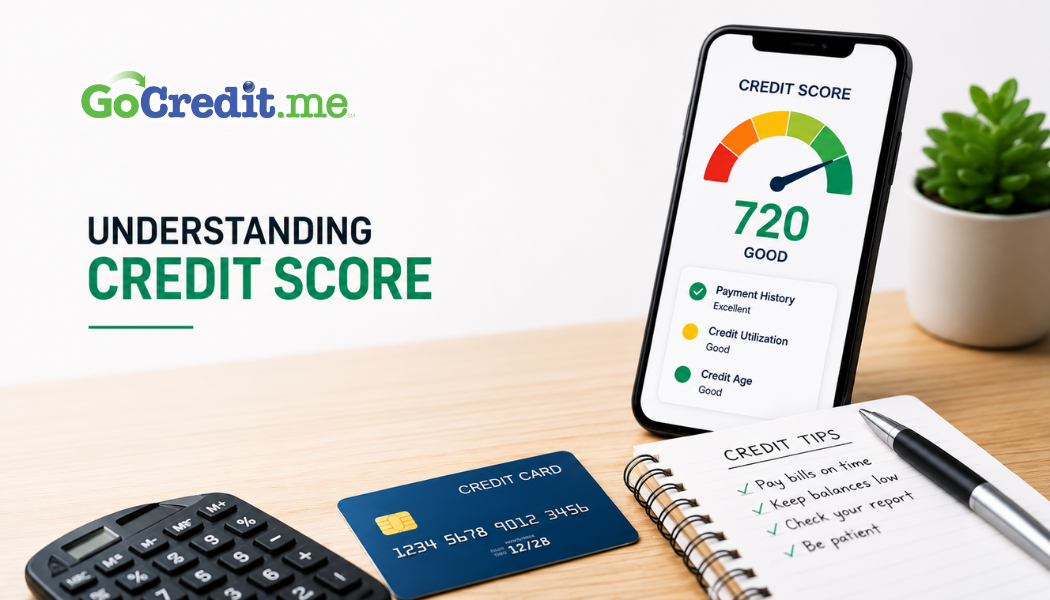
At GoCredit.me, we believe that understanding credit is one of the most important steps toward achieving financial confidence. Whether you’re applying for your first loan, working to improve your credit profile, or simply trying to make informed financial decisions, knowing how credit scores work can help you take control of your financial future.
Your credit score plays an important role in many areas of life, but for those who are new to credit, it can often feel confusing or intimidating. The good news is that understanding your credit score doesn’t have to be complicated.
What Is a Credit Score?
A credit score is a three-digit number that helps lenders evaluate how likely you are to repay borrowed money. It serves as a snapshot of your creditworthiness based on your credit history. Most credit scores range from 300 to 850, with higher scores generally indicating lower lending risk.
While different scoring models exist, credit scores are commonly categorized as:
- 300–579: Poor
- 580–669: Fair
- 670–739: Good
- 740–799: Very Good
- 800–850: Excellent
Your score can influence your ability to qualify for loans, credit cards, housing, and even certain employment opportunities.
Why Does Your Credit Score Matter?
A strong credit score can help you:
- Qualify for loans more easily
- Access lower interest rates
- Increase your chances of credit approval
- Secure better credit card offers
- Improve rental application outcomes
On the other hand, a lower score may make borrowing more difficult or more expensive.
What Factors Affect Your Credit Score?
Credit scores are calculated using information from your credit reports. While exact formulas vary, several key factors commonly influence your score.
1. Payment History
Your payment history is often the most significant factor. Making payments on time demonstrates financial responsibility, while missed or late payments can negatively impact your score.
Tip: Set up automatic payments or reminders to help stay current.
2. Credit Utilization
Credit utilization refers to how much of your available credit you’re using. For example, if you have a credit card with a $1,000 limit and a balance of $300, your utilization rate is 30%.
In general, lower utilization rates are viewed more favorably.
3. Length of Credit History
The longer your credit history, the more information lenders have to evaluate your borrowing habits. Closing older accounts can sometimes reduce the average age of your credit history.
4. Credit Mix
Having experience with different types of credit, such as credit cards, auto loans, or personal loans, may contribute positively to your score over time.
5. New Credit Applications
Applying for several new credit accounts within a short period can result in multiple inquiries on your credit report, which may temporarily lower your score. It’s often best to apply for new credit only when needed.
How Can You Check Your Credit Score?
Many banks, credit card companies, and financial service providers offer free credit score monitoring.
You can also review your credit reports from the major credit bureaus to ensure the information being reported is accurate.
Regularly checking your credit helps you:
- Track progress over time
- Identify potential errors
- Detect signs of identity theft
- Understand factors affecting your score
Common Credit Score Myths
Myth #1: Checking Your Own Credit Hurts Your Score
Checking your own credit score is considered a soft inquiry and generally does not affect your score.
Myth #2: Carrying a Balance Improves Your Credit
You do not need to carry a balance from month to month to build credit. Making payments on time is what matters most.
Myth #3: You Need Perfect Credit to Qualify for Financing
Many lenders consider multiple factors when reviewing applications, not just a single credit score.
Final Thoughts
Understanding your credit score is one of the most valuable steps you can take toward achieving your financial goals. By learning how credit works and practicing responsible financial habits, you can build a stronger financial foundation over time.
At GoCredit.me, we believe financial education empowers better decisions. Whether you’re working to establish credit, improve your score, or better understand the lending process, knowledge is the first step toward financial confidence.